

Bali at a Glance
A quick overview so you know where you’re flying into, what to expect and how the island is laid out.
Bali is a small Indonesian island with a big personality: volcanic mountains in the north, rice terraces and jungle in the centre, surf beaches in the south and quieter villages scattered everywhere in between. Most visitors arrive at Ngurah Rai International Airport (DPS) near Denpasar, then base themselves in Ubud or the southern beach areas and explore from there.
The island is majority Hindu, with temples and offerings woven into daily life. English is widely spoken in tourist areas, but you’ll also hear Bahasa Indonesia and Balinese. The currency is the Indonesian Rupiah (IDR), and while card payments are increasingly common, cash is still useful for small warungs, markets and entrance fees.




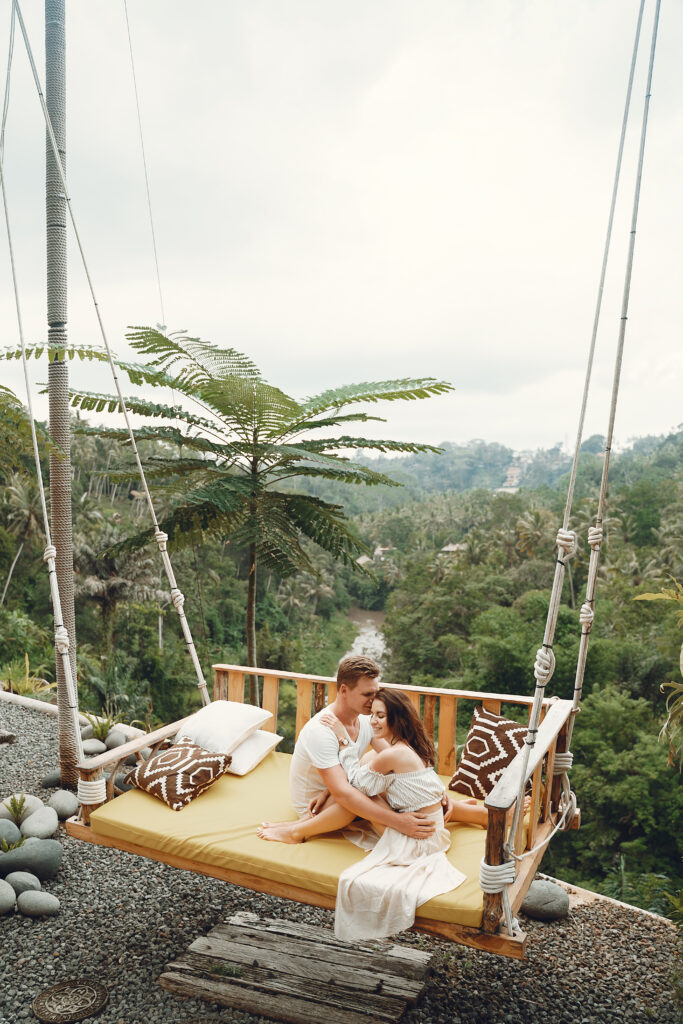
Where to Stay in Bali
Different areas suit different travel styles – here’s a simple breakdown.
Choosing the right base can make your trip feel either super smooth or needlessly complicated. Distances in Bali aren’t huge on the map, but traffic and narrow roads mean it’s wise to stay relatively close to the kind of activities you care about most.
Use this as a quick guide:
This week’s popular tours


Best Time to Visit
Bali is a year-round destination, but the vibe changes with the seasons.
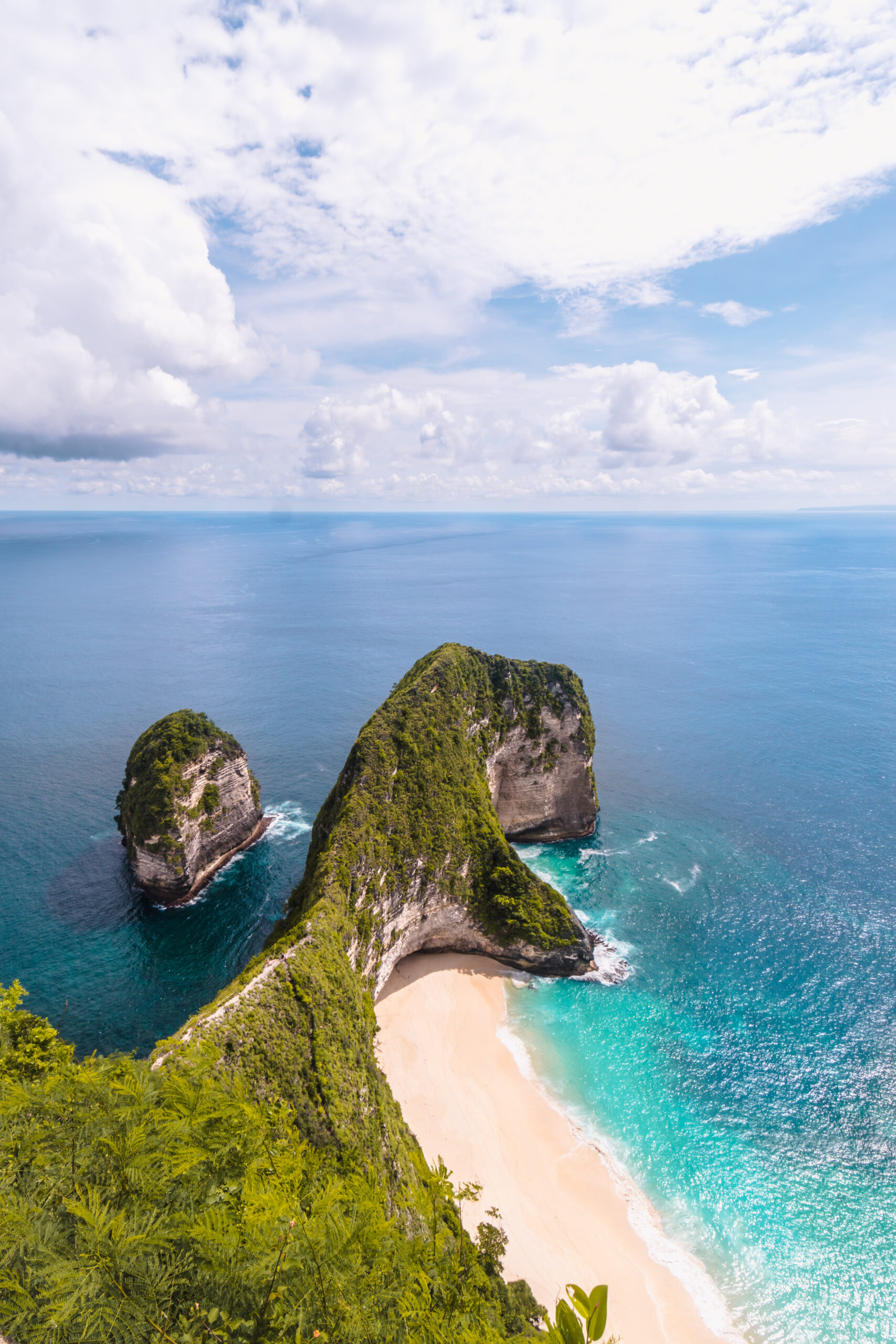
Bali has two main seasons: dry (roughly April–October) and rainy (roughly November–March). In dry season you’ll usually get sunnier days, clearer sunsets and better conditions for things like snorkeling and island hopping. This is also when it’s busiest, especially June–August and around school holidays.
The rainy season doesn’t mean constant storms; it often looks like warm, heavy showers in the afternoon or at night and more dramatic skies. Waterfalls are fuller, the island looks extra lush and crowds thin out a bit. Roads can be slick and the ocean can be rougher on some days, so flexibility is important.
Temple Etiquette & Local Culture
Bali’s temples are living, breathing places of worship – a little respect goes a long way.
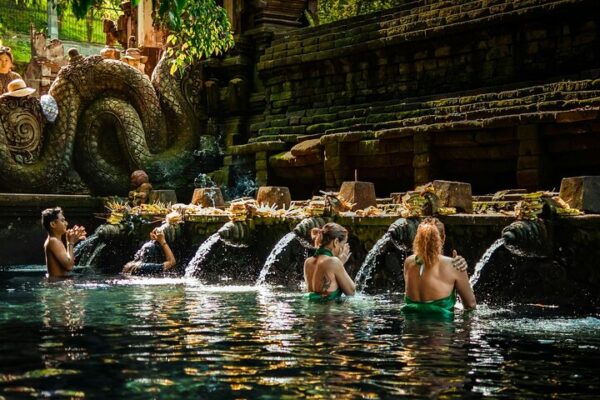
You’ll see temples everywhere in Bali, from large public complexes to small family shrines in front of homes. Many are open to visitors, but they’re not museums – ceremonies, offerings and cremations are part of real daily life. Dress modestly, move calmly and remember you’re stepping into someone else’s sacred space.
Most temples require shoulders and knees to be covered. A sarong around the waist is standard; some places lend or rent them at the entrance. During ceremonies, follow your guide’s lead: don’t stand in front of priests, don’t touch offerings and keep photography discreet and respectful.
Practical Tips
(Money, Safety & Getting Around)
Bali is generally a friendly and safe place to travel, but it runs on its own rhythm. Knowing a few basics about money, transport and common-sense safety will save you stress, especially on your first visit.
For money: ATMs are widely available in tourist areas and usually give the best rate. Use machines attached to banks where possible, and always count your cash. Cards are accepted in many cafes and shops but not everywhere, so keep some IDR cash for markets, small warungs and entrance fees.
If you don’t want to piece everything together yourself, private tours are often the easiest way to see multiple places in one day without wrestling with logistics.
How we think about tours, and why that might matter for your trip.
Angga’s Hidden Bali is built on the idea that seeing an island is better with people who genuinely love where they live. We keep our team small so we can remember your messages, tweak itineraries for your group and stay flexible when Bali’s traffic or weather throws in a surprise.
Our routes are designed to mix big-name highlights with quiet moments – a sunrise lake lookout, a less crowded waterfall, a warung our guides actually eat at. We partner with platforms like Viator and Klook so you can book securely, then handle the rest ourselves: real guides, real conversations, real days out.